Cart 0
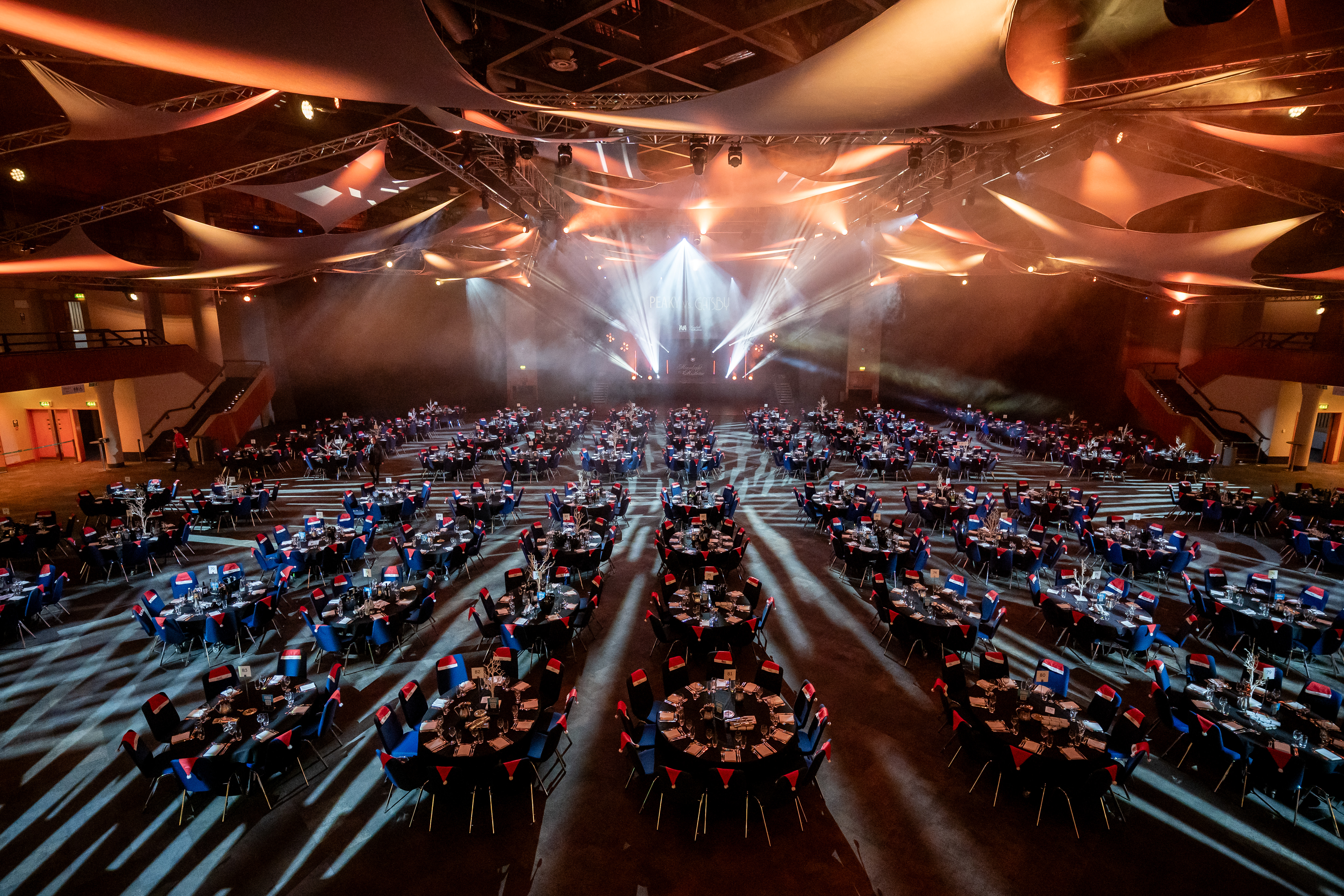
Corporate gala dinner planning tips are easy to find. What’s harder to find is someone who’s actually stood at the back of a 400-person room at 8pm and felt the moment where everything either lands or doesn’t.
A gala dinner is one of the highest-stakes events an organisation runs. Getting these corporate gala dinner planning tips right is the difference between a night people remember and one they’d rather forget. It’s the night people remember — or the night they’d rather forget. The difference comes down to a handful of things, all of which are entirely within your control if you plan them properly.
Here are the seven corporate gala dinner planning tips that matter most. Prefer to hand it over entirely? Our gala dinner planning and management service takes care of every one of these for you.
Corporate Gala Dinner Planning Tips: The 7 That Matter
1. The Venue Sets the Tone Before Anyone Walks In
Guests form an impression the moment they arrive. The entrance, the lighting, the scale of the room — all of it communicates something before a single speech has been made.
A venue that’s too large feels empty. A venue that’s too intimate feels cramped. A venue that doesn’t match the ambition of the event undermines it before the evening begins.
Get the venue right and everything else is easier. Get it wrong and no amount of great catering or entertainment will fully recover it.
The room matters more than almost anything else — see our pick of the best corporate event venues in Birmingham.

2. The Running Order — Timing Is Everything
The most common mistake at corporate gala dinners is a running order that loses momentum. A slow start, speeches that run too long, gaps between courses where nothing happens — these are the moments where a room that was engaged starts to drift.
A good running order has rhythm. It knows when to build energy, when to let people breathe, and when to drive towards a crescendo. Every element should earn its place in the schedule.
Write the run of show before you finalise anything else. If the schedule doesn’t work on paper, it won’t work in the room.

3. AV and Lighting Make or Break the Atmosphere
You can have the most prestigious venue in the country and still produce a flat event if the lighting is wrong. Harsh overhead lighting kills atmosphere. The right rig — warm, directional, able to shift for different moments in the evening — transforms a room.
The same goes for sound. A microphone that cuts out, a backing track that’s too loud, a video that doesn’t play — these aren’t minor inconveniences. In a room full of senior people, they’re embarrassing.
AV needs to be briefed properly, tested on the day, and run by someone who knows what they’re doing. It’s not a job for whoever happens to be available. The Event Production Guide from the Production Services Association is a useful reference for understanding what professional AV production standards look like.
4. Catering at Scale Needs Proper Management
Feeding 300 people at the same time, to the same standard, without a service that drags — is harder than it looks. The kitchen needs to be briefed on the run of show. The front-of-house team needs to understand the rhythm of the evening. Dietary requirements need to be tracked and delivered without fuss.
When catering works, guests don’t notice it — which is exactly the point. When it doesn’t, it becomes the story of the evening.
5. Entertainment Needs to Fit the Room
Entertainment that’s right for one group can fall completely flat with another. A comedian who works brilliantly at a media company awards might not land in the same way at a professional services dinner.
The question isn’t just “what entertainment do people enjoy?” — it’s “what will this specific room respond to at this specific point in the evening?” The answer requires knowing your audience and being honest about what the event is actually for.
6. The Awards Format — How to Keep Energy Up
If your gala dinner includes an awards ceremony, the format of the awards is as important as the awards themselves. Too many categories and the room disengages. Poorly timed presenter handovers lose momentum. Winners who aren’t expecting to win and have nothing to say hold the room hostage.
The awards need a producer. Someone who has written the show flow, briefed the presenters, timed the segments, and knows exactly how to recover if something runs long.
We’ve delivered awards ceremonies at the London Palladium. The discipline required there — the precision, the pacing, the professionalism — applies equally to any room, regardless of size.

7. Having One Person Accountable for Everything
This is the one that matters most and gets overlooked most often.
A corporate gala dinner involves a venue, a catering team, an AV crew, an entertainment act, a production team, a run of show, and dozens of moving parts on the night itself. When something goes wrong — and something always needs managing — there needs to be one person who owns the resolution.
That person should not be you. Your job on the night is to be present with your guests. Ours is to make sure everything else runs exactly as it should.
These corporate gala dinner planning tips apply whether you’re organising an event for 80 people or 800. The fundamentals don’t change — only the scale does.
Looking for professional awards ceremony management UK-wide? Get in touch — we’d love to hear about your event.
Planning a gala dinner or awards ceremony? Book a discovery call →
We’ve delivered awards evenings at the London Palladium and gala dinners for global brands. If you want an event that reflects well on everyone in the room, we’d be happy to talk through your brief.