Cart 0
The best team building ideas for corporate events doesn’t look like team building. It looks like a day people are actually excited about before it happens — not quietly dreading.
Most team days fall flat not because of poor execution but because of the wrong starting question. “What’s easy to organise for 50 people?” is not the same as “What would this team actually enjoy?” The first produces a pub quiz. The second produces something people talk about for months.
Here’s what actually works — and why most team building misses the mark entirely.
Why Most Team Building Misses the Mark
The problem isn’t the activity — it’s the intention. When the goal is “we should do something for the team” rather than “we want to do something for the team, the difference shows in every detail.
Generic team building — escape rooms booked via Google the week before, a ropes course no one asked for — fails because it’s designed around convenience, not the people involved. It signals effort without demonstrating it.
The best corporate team days feel like a reward, not an obligation. That’s the benchmark every idea should be tested against before you commit.
What People Actually Want From a Team Day
Before you choose a format, be honest about what your team is hoping for.
Most people want three things: to feel that the organisation has made a genuine effort, to spend time with colleagues outside the usual context, and to do something they’d never organise for themselves.
What they don’t want: forced interactions, activities designed to manufacture artificial vulnerability, or anything that makes people feel self-conscious in front of colleagues.
Team Building Ideas for Corporate Events That Actually Work
The ideas that land share a few things in common — they’re specific, genuinely high quality, and clearly designed with the group in mind rather than pulled from a shortlist of safe options.
Culinary Experiences
A private cooking class with a professional chef, followed by a sit-down meal the group has made together. Works for most team sizes and requires no particular skill or fitness level. The activity gives people something to focus on, which takes the pressure off conversation. A cocktail masterclass followed by dinner works on the same principle and tends to be one of the easiest formats to get people genuinely excited about in advance.
Competitive Activity Days
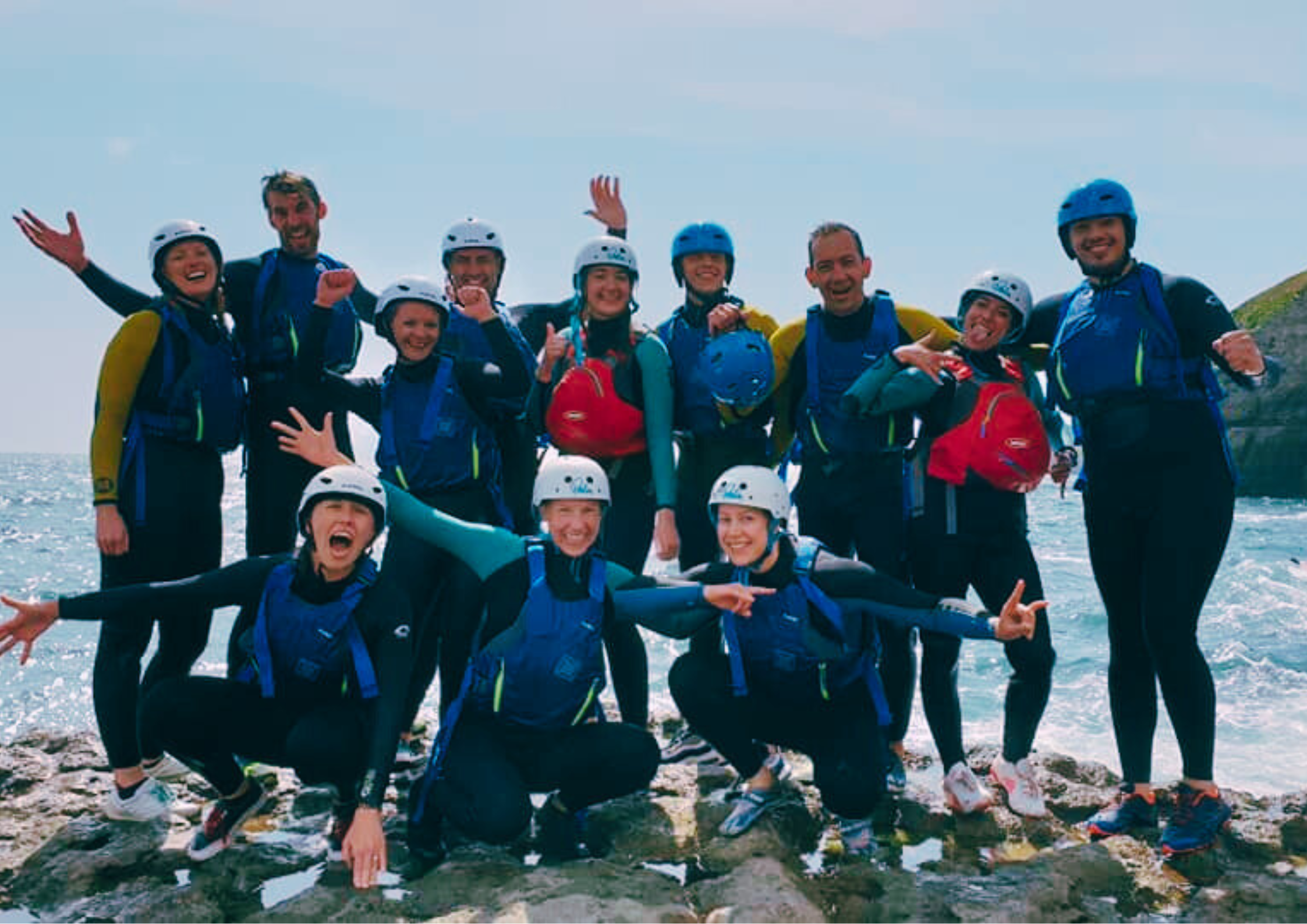
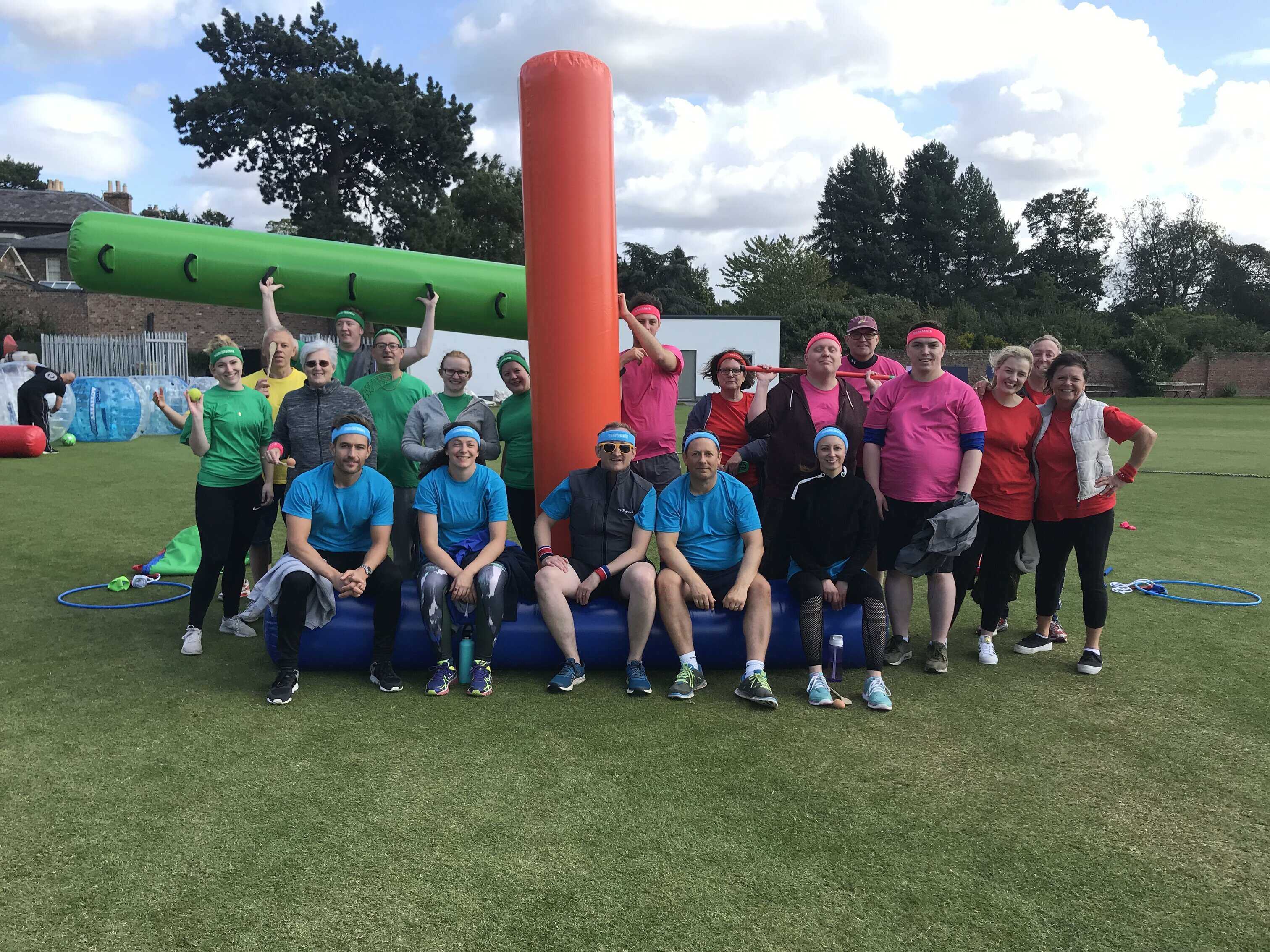
Go-karting, axe throwing, archery, clay pigeon shooting, sports days. These work when they’re organised as a proper event — a structured mini-tournament with teams, a scoreboard, and prizes — not just an activity booked and left to run itself. The competitive element gives the day shape and energy. The key is professional facilitation; someone on-site running the format so no one from the company has to think about logistics.
Skills-Based Workshops
Craft gin blending, ceramics, life drawing, floristry, glassblowing. These tend to work particularly well for smaller groups and produce something people can take home — which extends the memory of the day well beyond it. They also work across very mixed groups because there’s no performance pressure; everyone starts from the same place.
Exclusive or Behind-the-Scenes Access
Private venue tours, a session with someone genuinely notable in their field, a behind-the-scenes experience at somewhere the team couldn’t access individually. These land because they tap into the same thing that makes a good gift: the sense that someone thought specifically about you. A private visit to a venue you’d usually only see from the outside carries a different weight to a day at a standard activity centre.
Evening Formats
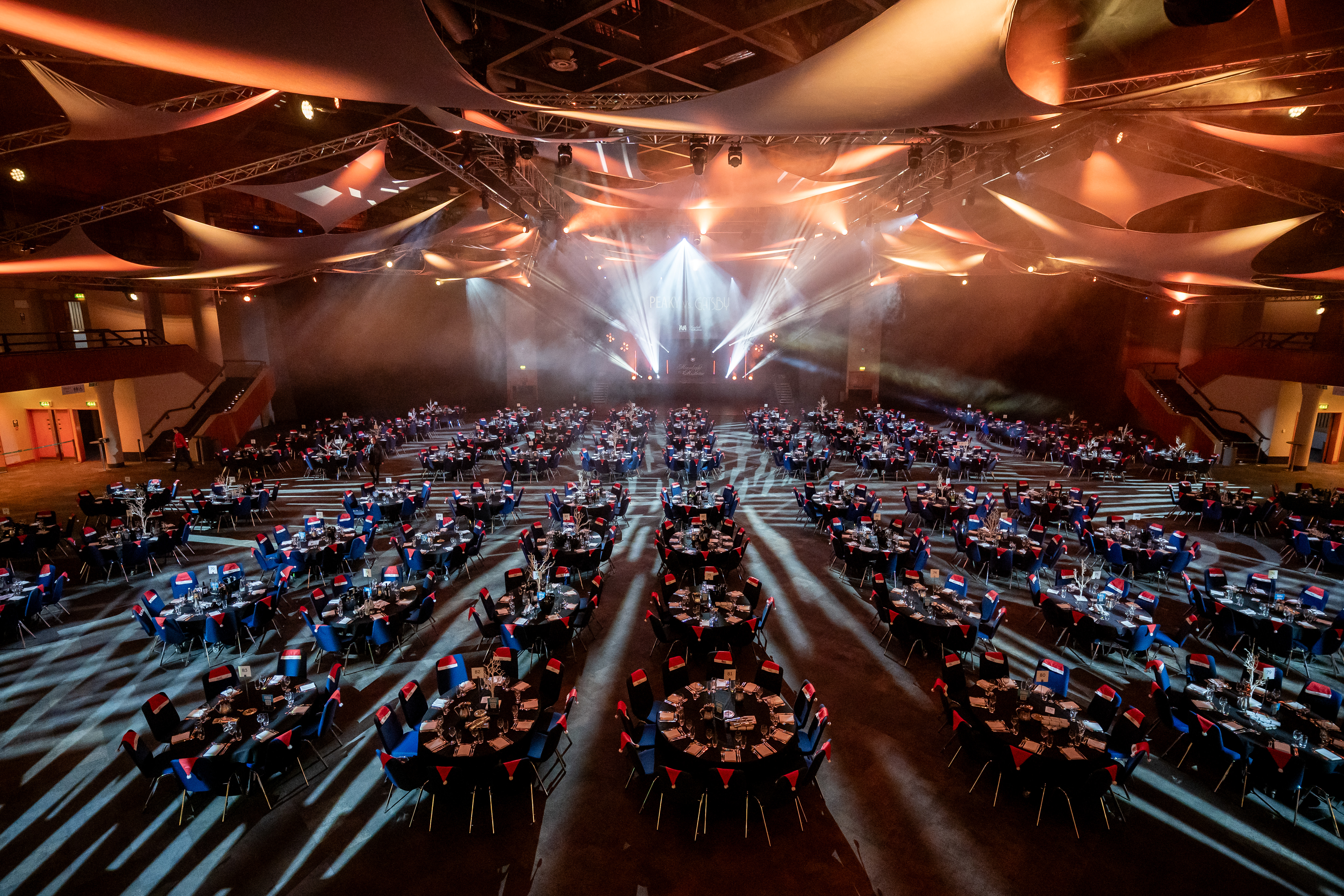
A properly produced team dinner — with a host, proper set dressing, and genuinely funny team awards categories — often lands better than a daytime activity because people are already in a social mindset. An evening format that combines an activity (cocktail-making, a cookery challenge) with a three-course dinner gives the night structure and a natural arc. Done well, it’s the format people reference the longest.
What these have in common: they’re specific, high-quality, and clearly designed for the team rather than just booked because they were available.
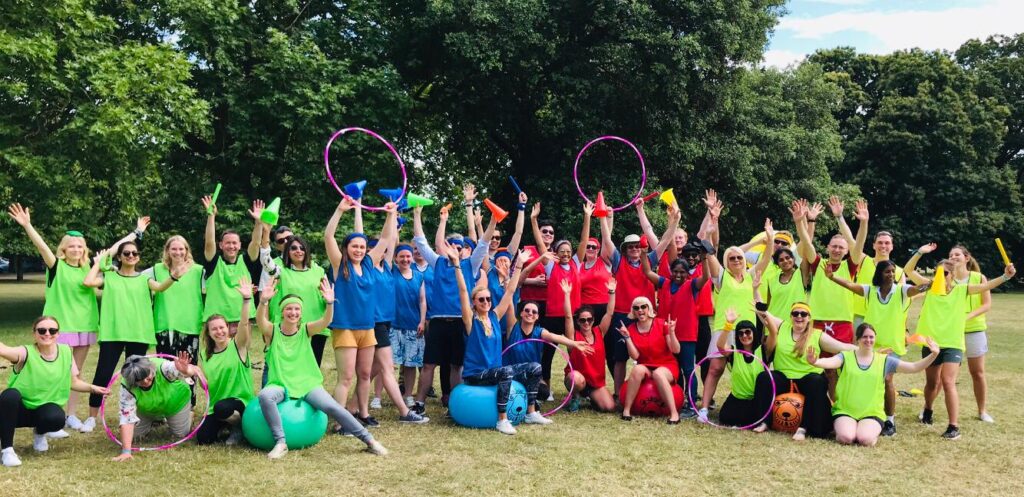
We design and deliver team building events in Birmingham and across the UK — from small leadership groups to full-company away days.
How to Brief an Agency for Team Building
The briefing conversation is where most team days go wrong. “Something fun for 50 people, mid-range budget, preferably indoors” isn’t a brief — it’s an absence of one.
A brief that actually works includes:
- Who the team is — departments, rough mix of people, any dynamics worth knowing about
- What you want people to feel at the end of the day — not the activity itself, but the outcome
- What’s worked and not worked before — even a sentence on this saves a lot of time
- Your actual budget — not a range, a number. Agencies can work with a real figure; a range just anchors everything to the top of it
- Your non-negotiables — accessibility requirements, anything to avoid, timing constraints
According to CIPD research on employee engagement, teams that feel genuinely valued perform significantly better — and the team day is one of the most visible expressions of that. It’s worth getting right.
A good agency takes your brief and comes back with something specific, well-costed, and clearly right for the group. If they come back with a generic package they run for everyone, that’s your answer.
What to Ask Before You Commit
BeBefore signing off on anything, ask:
- Is this designed for our group specifically, or something you run for every client?
- What does the day actually feel like from arrival to finish?
- Who’s running it on the day, and what’s their background?
- What’s the plan if something doesn’t land?
The answers will tell you quickly whether you’re working with someone who understands what makes a good team day — or someone hoping the activity does the work for them.
At Meji Media, we design and produce corporate events for companies that want something done properly — from conferences and dinners to team experiences and incentive programmes.
Planning a team away day? Let’s talk →