Cart 0

The wrong events partner doesn’t just cost money. It costs time, energy, and — if it goes badly on the night — your professional reputation with everyone who was in the room. Most people know to ask for a portfolio and a quote. Fewer know which questions actually separate a good agency from one that will let you down under pressure.
The questions to ask your event management company — and what good answers look like
Here are the ten questions to ask your event management company before you sign anything.
1. Who will be my main point of contact?
Some agencies pitch you with a senior name, then hand you to a junior coordinator you’ve never met. Ask specifically who you’ll be dealing with from brief to delivery — and whether that person will actually be on-site on the day.
At Meji Media, the person you speak to at the start is the person in the room when it matters. That’s not a policy — it’s how we think about accountability.
2. Have you delivered events at this scale before?
An agency that’s excellent at 50-person dinners may not be the right fit for a 400-delegate conference — and vice versa. Ask for examples at your specific scale: numbers and venue names, not just a general portfolio. Vague answers here usually mean vague delivery later.
3. What venues do you have established relationships with?
Agency relationships with venues mean better rates, better access, and fewer surprises. If they’ve delivered events at venues in your target city — the ICC Birmingham, venues in London, international conference centres — they’ll know exactly what those spaces can and can’t do. That knowledge is worth a significant amount when something has to go right first time.
4. How do you handle last-minute changes on the day?
Things go wrong. Speakers pull out. AV fails. Guest numbers shift. What you’re really asking is: how does this team perform under pressure?
Ask for a specific example — something that went wrong, and exactly how they fixed it. An agency that’s never had anything go wrong hasn’t done enough events. An agency that can’t tell you how they handled it isn’t one you want running yours.
5. How is your pricing structured — and are there supplier markups?
Some agencies charge a flat management fee. Others take a percentage of total spend or mark up supplier costs significantly. Neither model is inherently wrong, but you should understand exactly what you’re paying for before you sign anything. Ask for a breakdown, not just a total. A good agency won’t hesitate to give you one.

6. Can you share case studies from similar events?
Not testimonials — case studies. Specifically: what was the brief, what did they deliver, and what was the outcome? Real detail, not generic praise. If they can only offer vague quotes, that tells you something important.
7. How will you manage logistics on the night?
Pre-event planning and on-the-night delivery are two different skill sets. Ask who’s running the floor, how they communicate with venue staff and suppliers, and what the escalation process is if something goes wrong mid-event.
On-the-night delivery is where reputations are made or lost. The best agencies treat the day itself as the main event — not the finish line.
8. What does your planning process look like from brief to delivery?
A good agency should be able to walk you through exactly how they work: how they handle the initial brief, how they keep you updated, how decisions get made, and how they make sure nothing gets missed.
Look for something clear and structured — regular check-ins, shared documentation, defined accountability at every stage. If the answer is vague in the meeting, that’s probably how they run events.
9. How do you approach AV, production, and technical delivery?
AV is where a lot of events fall apart — and where a lot of agencies outsource without taking proper ownership. Ask whether they manage AV through trusted suppliers, whether they do a technical run-through in advance, and who is responsible if something fails on the day.
The answer should be unambiguous.
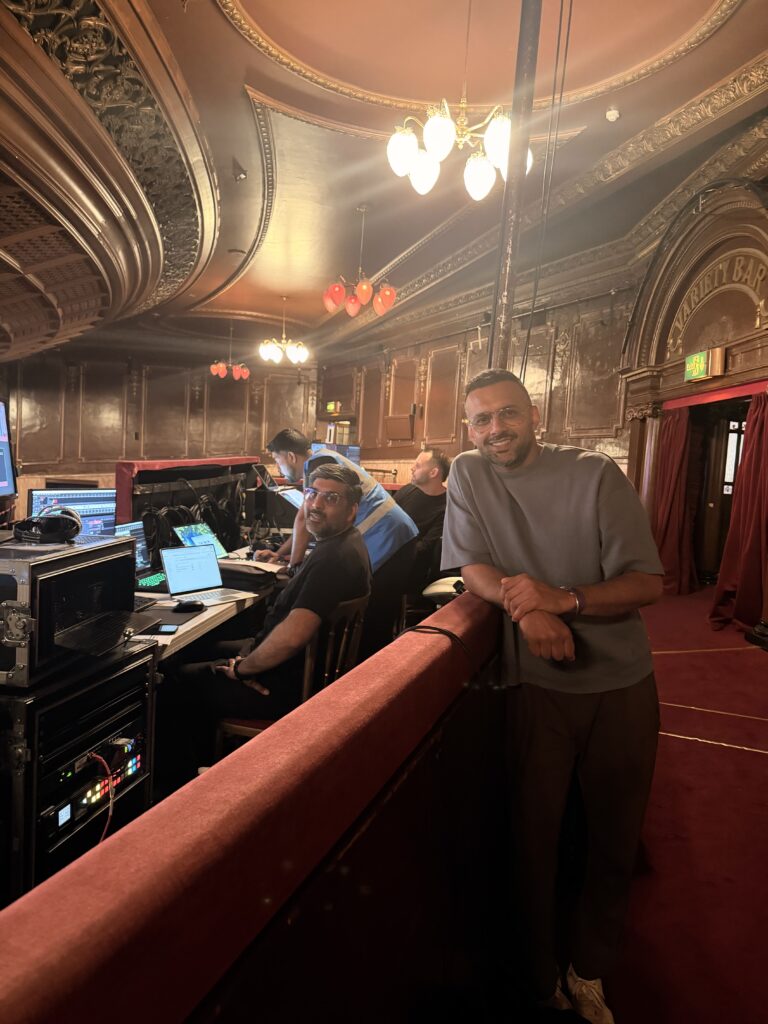
10. What happens if something goes wrong?
This is the question most people don’t ask — and the one that tells you the most.
A confident, experienced agency will have a clear answer: a contingency plan, a track record of problem-solving under pressure, and an unambiguous line of responsibility. If the answer is evasive, you’ve found out something important before you’ve signed anything.
These are the questions worth asking before you commit to any events partner. The right agency should be able to answer every one of them with specifics, not generalities. If they can’t, keep looking.
At Meji Media, we’ve delivered corporate events from 20-person leadership days to 400-delegate international conferences. We’re happy to answer all ten of these in a conversation before you commit to anything.
Wondering if we’re the right fit? Let’s have a conversation →